Software Engineering and Operation

Custom Software Engineering

Applications, APIs, Integrations, Workflows, and Modernization

Technical Responsibility

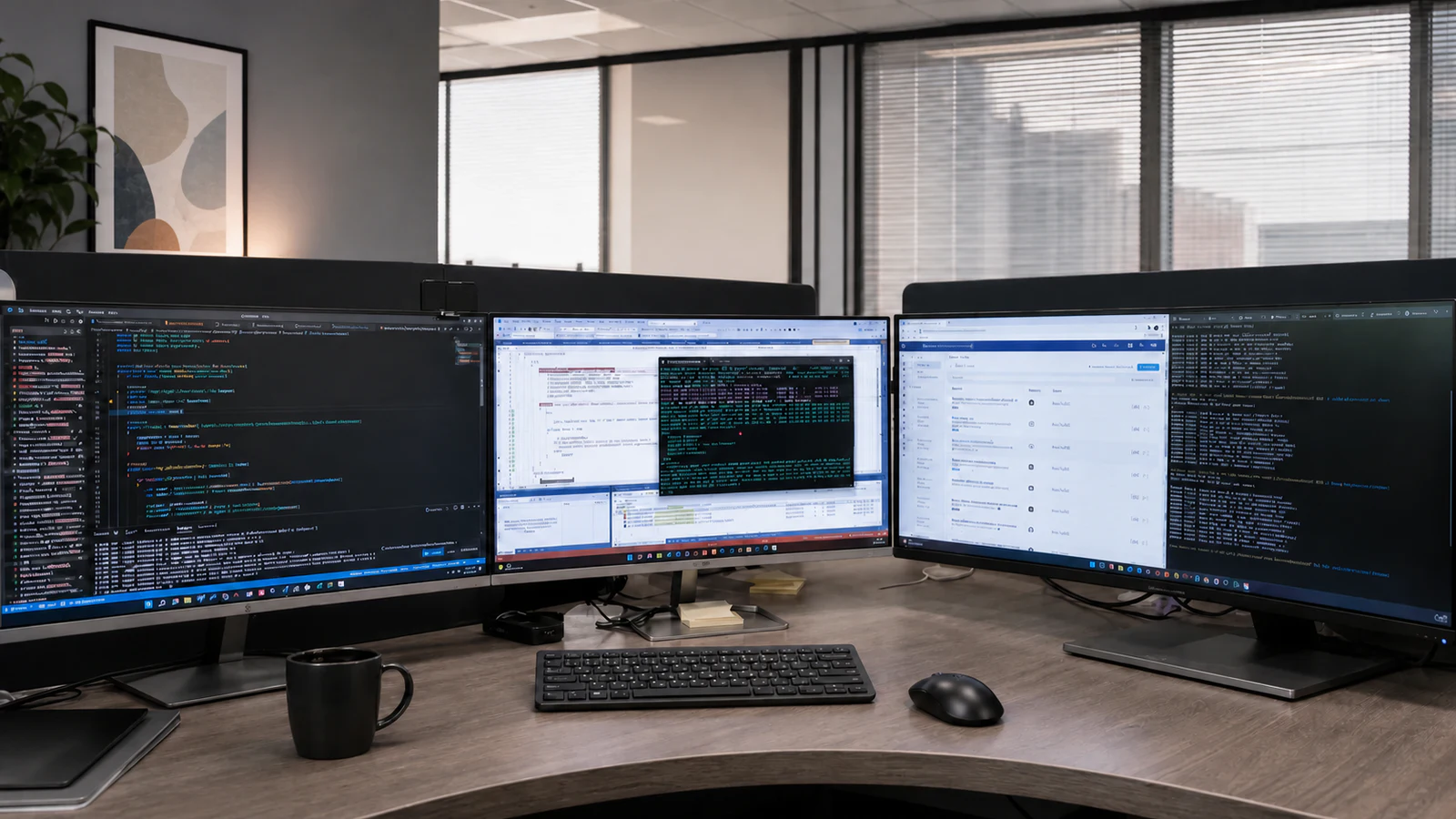
Software Engineering for Complex, Business-Critical Systems

Design, build, modernize, integrate, and operate purpose-built applications, portals, APIs, workflows, and systems when standard products, configuration, and integration cannot satisfy the requirement without unacceptable compromise.

When This Helps

Custom engineering is appropriate when essential workflows, integrations, or operating constraints require more than configuration alone.

Standard Products Force Critical Workarounds

The available software does not support an important workflow, data requirement, customer experience, security need, control requirement, or operating constraint without excessive manual work or loss of business value.
Manual Processes Have Become Operational Systems

Spreadsheets, email, repeated data entry, disconnected vendor tools, or knowledge held by a few employees now carry a process that needs stronger control, integration, traceability, and long-term ownership.

Existing Software Needs Modernization or Extension

A complete rewrite is unnecessary or too risky, but the system needs new modules, APIs, workflow improvements, performance work, security improvements, interface modernization, or selective replacement of weak components.

Application Engineering

Engineering Beyond the Application Code

Choose the Right System Boundary

Standard products remain where they fit. Custom engineering is applied to the workflows, interfaces, data, or operating requirements that cannot be supported without unacceptable compromise.

Engineer Data and Integration

Data ownership, validation, transaction boundaries, retries, reconciliation, error handling, security, and recovery are designed as part of the application architecture.

Design for Production Change

Infrastructure, environments, deployment, testing, observability, security, backup, recovery, and support remain connected to the software so useful change can continue after launch.

Connected Delivery

What the Engineering Responsibility Covers

The work is accountable to the production system and business outcome, not only the code produced.

  • Business and user requirements translated into technical decisions
  • Software architecture, application design, APIs, and integrations
  • Databases, data workflows, messaging, caching, and reporting foundations
  • Environments, testing, deployment automation, observability, and release readiness
  • Security, maintainability, recovery, and production support
  • Technical direction, operating ownership, and the next improvement priority

How the Work Moves

  1. 01

    Define the Business Requirement

    Clarify the outcome, affected users and workflows, constraints, risks, and how the result must operate before choosing the solution.

  2. 02

    Choose the Appropriate System Boundary

    Use standard products where they fit and custom engineering where the requirement demands it. Define integrations and ownership across that boundary.

  3. 03

    Deliver Useful Change in Measured Increments

    Move working capabilities into production without making all value and learning depend on one large release.

  4. 04

    Operate, Learn, and Improve

    Connect production health, support demand, security findings, and user feedback to the next technical and business decision.

Managed Outcome

Software That Remains Ready for Change

The application is treated as a production system with an operating responsibility, not as code delivered once and separated from what happens after release.

Software Fitted to the Operation

Custom engineering is applied where workflows, integrations, data, customer experience, or operating constraints cannot be supported adequately by standard products.

Production Responsibility

Application code remains connected to infrastructure, databases, delivery, observability, security, backup, recovery, and the operating decisions required after release.

Continued Engineering

Production evidence, user needs, and business priorities guide measured releases so the system can keep changing without becoming a sequence of disconnected projects.

Service Details

Frequently Asked Questions

When Does Custom Software Make Sense?

Custom software makes sense when an important workflow, integration, data requirement, customer experience, security need, or operating constraint cannot be supported adequately by standard products.

The expected value should justify the responsibility of owning and operating the system.

How Do You Decide Whether to Build, Buy, Integrate, or Change the Process?

The decision is based on functional fit, implementation and operating cost, vendor dependence, data access, integration limits, expected lifespan, future change, security, and the consequences of failure.

The best answer may be a standard product, a process change, an integration, a small custom component, or a complete purpose-built system.

What Types of Custom Systems Does Arxima Build?

Examples include customer and employee portals, internal operations platforms, workflow systems, APIs, integrations, automation, reporting systems, secure data exchange, background processing, and purpose-built tools that connect software, infrastructure, data, devices, or on-site operations.

Can Arxima Modernize or Extend an Existing Application?

Often, yes. Work may include architecture changes, new modules, APIs, interface modernization, database improvements, performance, security, deployment, monitoring, and replacement of selected components.

The existing system is assessed before determining whether incremental modernization is practical.

Can Software Created With AI or Low-Code Tools Be Brought Into Production?

Often, yes. Arxima assesses whether the underlying system can be brought into a dependable production model.

The review considers architecture, security, data integrity, maintainability, deployment, observability, and operating constraints before recommending hardening, integration, selective rebuilding, or replacement of high-risk components.

How Does Arxima Work With an Existing Internal or External Development Team?

Arxima can collaborate with internal engineers and necessary specialists where responsibilities are clear.

The preferred model gives Arxima defined accountability for the architecture, delivery, production environment, or managed workstream within its scope rather than supplying individual developers into an operating model it does not control.

How Is Production Readiness Evaluated?

Production readiness considers architecture, data integrity, security, access, deployment, monitoring, logging, performance, capacity, backup, recovery, support, and operational ownership.

The depth of the review follows the system's criticality and the consequences of failure.

Does Arxima Support the Application After Launch?

Yes. Managed application operations can follow the build when the system is business-critical and the operating scope is agreed.

That scope can include releases, infrastructure and database operations, monitoring, incident response, maintenance, security improvement, and continued engineering.

Custom Software

Discuss a Software System or Engineering Requirement

Review the workflow, constraints, integrations, data, and operating responsibility before deciding what should be configured, integrated, modernized, or built.

Schedule a Review