Managed Technology Operations

Technology Operations and Support

Managed IT, User Support, Applications, Infrastructure, and Engineering

Technical Responsibility

Accountable Technology Operations Across Users, Systems, Applications, Infrastructure, and Data

Provide one managed operating model for the users, systems, support, infrastructure, applications, data, and engineering responsibilities Arxima is expected to own.

When This Helps

Managed technology operations fit environments where user support, applications, infrastructure, data, and engineering need one accountable operating model.

Standard Managed IT Is Necessary but Not Sufficient

The organization needs dependable user support, endpoints, identity, Microsoft 365, networking, security maintenance, and backup, but it also depends on custom applications, integrations, private infrastructure, data workflows, or specialized recovery and connectivity.
A Technical Organization Needs Deeper Operational Coverage

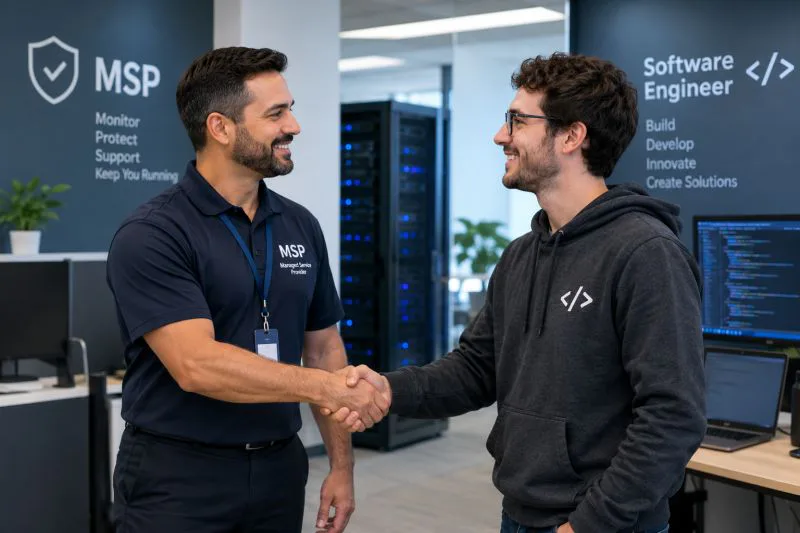
An internal engineering or IT team retains product, domain, or strategic ownership but needs a managed authority for platform, infrastructure, database, reliability, delivery, user-support, or ongoing operating responsibilities.

Problems Cross Support and Engineering Boundaries

A user-facing issue may originate in identity, networking, an application, a database, an integration, infrastructure, or a vendor dependency. The organization needs the issue to follow the evidence without restarting at every provider boundary.

Connected Capability

Support and Engineering Under One Operating Model

Everyday technology support remains connected to the applications, platforms, data, and infrastructure that determine the underlying outcome.

Managed IT Foundation

Users, devices, identity, collaboration, networking, security maintenance, backup, administration, and lifecycle decisions operate under defined standards.

Engineering Escalation

Application, data, integration, platform, and infrastructure engineers address conditions that cannot be resolved at the support layer.

Authority and Improvement

Clear access and decision rights allow recurring incidents, lifecycle risks, and operating constraints to be corrected at their source.

Operating Responsibility

What the Responsibility Covers

The scope connects everyday technology operations with the engineering and production depth required when issues cross system boundaries.

  • Technology architecture, priorities, and decision support
  • User support, endpoints, devices, and service management
  • Identity, access, collaboration, and administration
  • Networks, cloud, servers, private platforms, and infrastructure
  • Application, integration, data, and platform escalation
  • Backup, recovery, continuity, and operational readiness
  • Security improvements and compliance-supporting controls
  • Operating standards, lifecycle decisions, and recurring improvement

How the Work Moves

  1. 01

    Define the Managed Operating Scope

    Establish the business priorities, systems, users, dependencies, service requirements, and operating outcomes included in the responsibility.

  2. 02

    Establish Authority and Standards

    Set the access, decision rights, technical standards, processes, and operating boundaries required for Arxima to remain accountable.

  3. 03

    Operate as One Technical Function

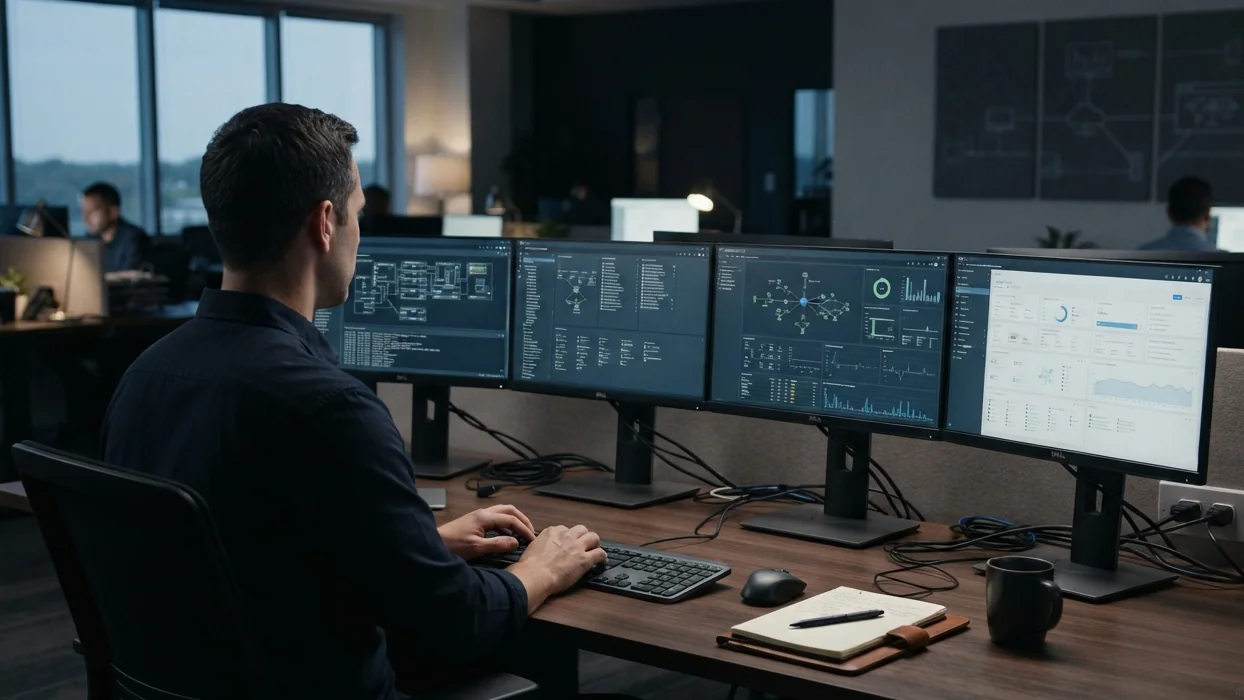
    Manage the agreed user, application, platform, infrastructure, data, security, and support responsibilities through one controlled operating model.

  4. 04

    Improve Recurring Conditions

    Use support patterns, incidents, delivery needs, and operating evidence to prioritize engineering and operational improvements instead of repeatedly treating symptoms.

Managed Outcome

One Technical Function Across Daily Operations and Engineering

Users, systems, applications, infrastructure, data, support, and engineering remain connected under the authority required to operate and improve the defined environment.

Clear Technical Escalation

Issues move from users and operating symptoms into identity, networking, applications, databases, integrations, platforms, or infrastructure without becoming an unowned handoff.

Consistent Operating Standards

Access, devices, identity, collaboration, networking, applications, infrastructure, data, support, continuity, security maintenance, and lifecycle decisions follow one defined operating model.

Recurring Improvement

Support demand, incidents, lifecycle risk, delivery needs, and production evidence guide engineering improvements that address recurring conditions at their source.

Service Details

Frequently Asked Questions

Can Arxima Serve as Our MSP?

Yes. Arxima can serve as the primary managed IT provider for organizations that need user support, endpoints, identity, Microsoft 365, networking, security maintenance, backup, and operational administration.

The model is especially valuable when the organization also depends on custom applications, specialized infrastructure, data workflows, private systems, or an internal technical team.

How Is Technology Operations Different From Standard Managed IT Support?

Standard managed IT commonly focuses on users, devices, identity, cloud applications, and networks.

Technology operations can include those responsibilities while also extending into custom applications, production platforms, infrastructure, databases, integrations, data workflows, recovery, and engineering improvement under one defined operating model.

How Is Technology Operations Different From Staff Augmentation?

Staff augmentation supplies individuals who work inside another team's process and authority.

Arxima assumes defined responsibility for an operating scope and organizes the technical work, standards, access, escalation, and improvement required to carry that responsibility.

Can Arxima Support an Internal Engineering or IT Team?

Yes. Arxima can own a defined platform, infrastructure, database, reliability, delivery, user-support, or operational scope while the internal team retains product, domain, business, or strategic responsibilities.

How Do Support Issues Escalate Beyond the Help Desk?

Support begins with the user or operating symptom and follows the evidence into the responsible layer.

When the managed scope includes the relevant systems, Arxima can move from endpoint and identity troubleshooting into networking, application, database, integration, infrastructure, or external-dependency diagnosis without restarting the issue.

What Authority Comes With Engineering and Operating Responsibility?

Arxima needs the access, standards, escalation rights, and decision authority required for the responsibilities it is expected to carry.

The exact authority follows the scope, but accountability cannot be separated from the ability to inspect, change, secure, recover, and operate the systems involved.

Does Ongoing Operation Include Security and Recovery?

Yes. Day-to-day technology operations can include identity and access, patching, endpoint controls, configuration standards, network policy, secrets, logging, backup protection, vulnerability response, restore readiness, and coordination with separately scoped specialist services.

Can the Managed Scope Expand Over Time?

Yes. The managed scope can grow as Arxima learns the environment and the customer places additional systems or responsibilities under its care.

Expansion is planned so ownership, access, coverage, and service expectations remain clear.

Managed Technology Operations

Define the Technology Responsibilities That Need Ongoing Ownership

Review the users, systems, sites, applications, infrastructure, data, and internal responsibilities that the managed relationship needs to cover.

Schedule a Review